
.png)
.jpg)
5 Essential Backward Curved DC Centrifugal Fan Specifications for HVAC System Design
Why DC Centrifugal Fans Are the Smart Choice for Modern HVAC
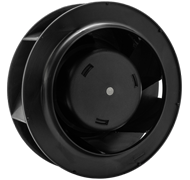
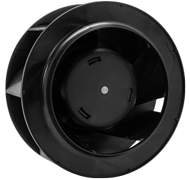
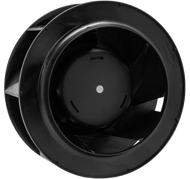
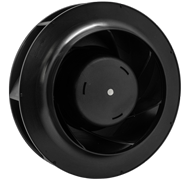
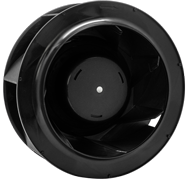
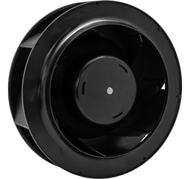
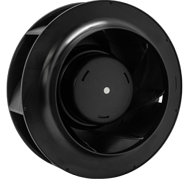
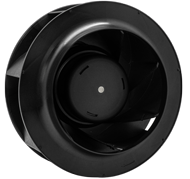
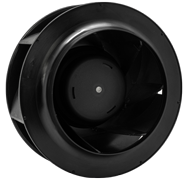
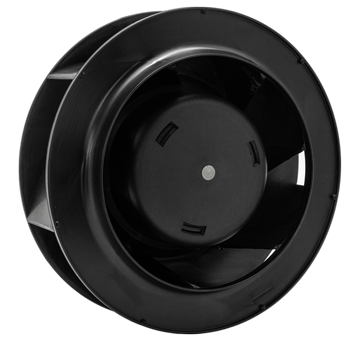
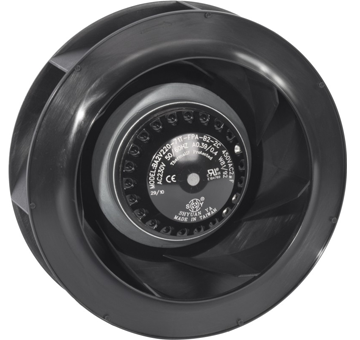
As HVAC systems become more energy-conscious and performance-driven, DC centrifugal fans are increasingly replacing traditional AC fans in commercial and residential applications. These fans—especiallybackward curved DC centrifugal fans—are valued for their high efficiency, quiet operation, precise speed control, and long service life.
Many people ask:
- How does a DC centrifugal fan work?
- How is a backward curved centrifugal blower different from other fans?
- Why are DC centrifugal fans better for HVAC system design?
This article answers those questions in a simple, beginner-friendly way. We break down the5 essential specifications you need to understand when selectingbackward curved DC centrifugal fans for HVAC systems, without technical jargon.
1. Airflow Capacity (CFM): How DC Centrifugal Fans Move Air in HVAC Systems
The first and most important specification is airflow capacity, usually measured inCFM (Cubic Feet per Minute).
How Does a Backward Curved DC Centrifugal Fan Work to Move Air?
A backward curved DC centrifugal fan works in three simple steps:
- Air is drawn into the center of the fan
- The backward-curved blades accelerate the air smoothly
- Air is discharged outward into the HVAC duct system
Because the blades curve away from the direction of rotation, airflow is stable and controlled, even when conditions change.
Why Airflow Matters in HVAC Design
Airflow determines:
- How evenly rooms are heated or cooled
- How effectively fresh air circulates
- Whether temperature differences appear between spaces
DC centrifugal fans provide consistent airflow across a wide operating range, which is especially important in modern HVAC systems with variable demand.
Why DC Fans Perform Better
Compared to AC fans, DC centrifugal fans:
- Maintain airflow accuracy
- Adjust speed automatically
- Prevent airflow overload
This makes them ideal for HVAC systems that need precise air delivery and energy savings.
 How DC Centrifugal Fans Move Air in HVAC Systems.png)
2. Static Pressure Capability: Why DC Centrifugal Fans Excel in Ducted HVAC Systems
Another essential specification is static pressure—the fan’s ability to push air through resistance.
What Is Static Pressure? (Simple Explanation)
Static pressure is the force required to move air through:
- Long ducts
- Filters
- Heat exchangers
- Dampers and bends
How Do DC Centrifugal Fans Handle Pressure?
Backward curved DC centrifugal fans:
- Convert rotational energy into pressure efficiently
- Maintain airflow even when resistance increases
- Compensate automatically by adjusting speed
This self-adjusting behavior is a major advantage over traditional AC centrifugal blowers.
Why This Matters for HVAC Systems
In real HVAC systems, resistance changes constantly as:
- Filters become dirty
- Dampers open or close
- System demand fluctuates
DC centrifugal fans adapt automatically, ensuring stable airflow and comfort at all times.
3. Energy Efficiency and Power Consumption: A Major Advantage of DC Centrifugal Fans
Energy efficiency is one of the most searched topics related to centrifugal blowers—and for good reason.
Why Are DC Centrifugal Fans More Energy-Efficient?
DC centrifugal fans use:
- Brushless DC motors
- Advanced electronic controllers
- Optimized backward curved impellers
These features allow the fan to:
- Use only the power it needs
- Avoid energy waste at partial loads
- Operate cooler and more efficiently
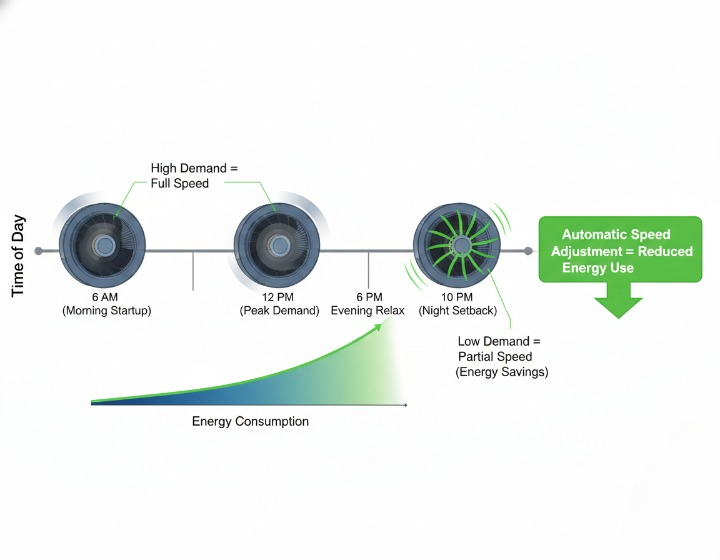
How Is Energy Efficiency Improved in Real Use?
In HVAC systems:
- Full airflow is not always required
- Demand changes throughout the day
DC centrifugal fans automatically slow down or speed up, reducing electricity consumption while maintaining comfort.
Benefits for HVAC Owners
Using DC centrifugal fans helps:
- Lower electricity bills
- Meet energy-efficiency regulations
- Support green building standards
- Reduce carbon footprint
Over time, these savings often far exceed the initial cost difference.
4. Noise Level and Comfort: Why DC Centrifugal Fans Are Quieter
Noise is a critical comfort factor in HVAC systems—especially in offices, hospitals, hotels, and residential buildings.
Where Does Fan Noise Come From?
Noise is generated by:
- Air turbulence
- High rotational speed
- Motor vibration
- Poor blade design
How DC Centrifugal Fans Reduce Noise
Backward curved DC centrifugal fans are quieter because:
- Backward blades reduce turbulence
- DC motors operate smoothly
- Fans run at lower speeds during low demand
Why Quiet Operation Matters
Lower noise levels improve:
- Indoor comfort
- Occupant satisfaction
- Productivity and well-being
DC centrifugal fans allow HVAC designers to achieve both performance and comfort, without compromise.
5. Speed Control, Motor Type, and Smart HVAC Integration
The final essential specification is how the fan is controlled.
How Is Speed Controlled in DC Centrifugal Fans?
DC centrifugal fans support:
- Continuous variable speed control
- Automatic load adjustment
- Integration with HVAC control systems
Why Smart Speed Control Is Important
Speed control allows HVAC systems to:
- Match airflow to real-time demand
- Reduce energy use during partial load
- Improve temperature stability
- Extend fan lifespan
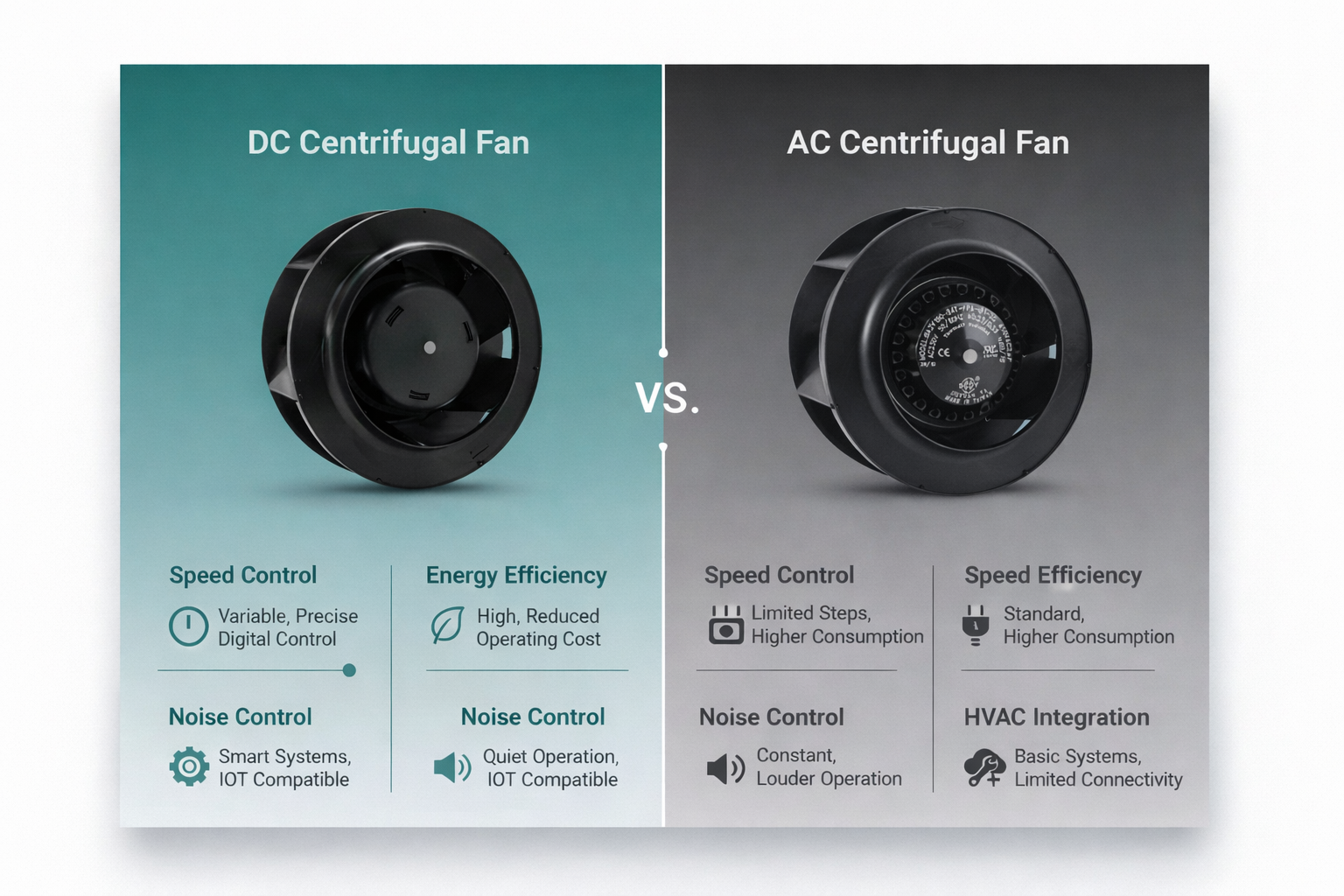
DC vs AC Fan Control
|
Feature |
DC Centrifugal Fan |
AC Centrifugal Fan |
|
Speed control |
Precise & continuous |
Limited |
|
Energy efficiency |
High |
Moderate |
|
Noise control |
Excellent |
Average |
|
HVAC integration |
Easy |
Limited |
This is why DC centrifugal fans are increasingly used in smart and energy-efficient HVAC designs.
Why Backward Curved DC Centrifugal Fans Are Preferred in HVAC
Backward curved DC centrifugal fans combine the best features of modern centrifugal blowers:
- High efficiency
- Stable airflow
- Low noise
- No motor overload risk
- Excellent pressure handling
Compared to forward curved fans, they are safer, more efficient, and better suited for long-term HVAC operation.
Simple Buyer’s Checklist for DC Centrifugal Fans
When choosing a DC centrifugal fan for HVAC systems, focus on these essentials:
- Required airflow (CFM)
- Required static pressure
- Energy efficiency rating
- Noise level requirements
- DC motor with speed control
- Long-term operating cost
This keeps the decision simple and avoids unnecessary complexity.
Frequently Asked Questions (FAQ)
1. How does a DC centrifugal fan work?
It uses a DC motor to spin a backward-curved impeller, moving air outward with high efficiency and pressure.
2. Why choose DC centrifugal fans for HVAC?
They offer better efficiency, quieter operation, and precise airflow control.
3. Are DC centrifugal fans energy-efficient?
Yes. They are among the most energy-efficient centrifugal blowers available.
4. How are backward curved fans different?
They reduce turbulence, prevent motor overload, and improve efficiency.
5. Can DC centrifugal fans handle long duct systems?
Yes. They perform very well in high-resistance HVAC ductwork.
6. Do DC centrifugal fans reduce noise?
Yes. Lower speed operation and smoother airflow reduce noise significantly.
7. Are they suitable for commercial HVAC systems?
Absolutely. They are widely used in commercial and industrial HVAC.
8. Do DC centrifugal fans support smart control systems?
Yes. They integrate easily with modern HVAC controls.
9. Are DC centrifugal fans more expensive?
Initial cost may be higher, but long-term energy savings reduce total cost.
10. Where can I find reliable DC centrifugal fans?
You can explore professional DC centrifugal fan solutions here:
👉 https://www.coolingfanmanufacturers.com/Category/9/DC-Centrifugal-Fans
Why DC Centrifugal Fans Are the Future of HVAC Design
Understanding the 5 essential backward curved DC centrifugal fan specifications makes HVAC system design simpler and more effective. With superior energy efficiency, quiet operation, and smart speed control, DC centrifugal fans offer clear advantages over traditional solutions.
For modern HVAC systems focused on efficiency, comfort, and sustainability, backward curved DC centrifugal fans are the ideal choice.